The Magic of Urdu Poetry in Modern Times
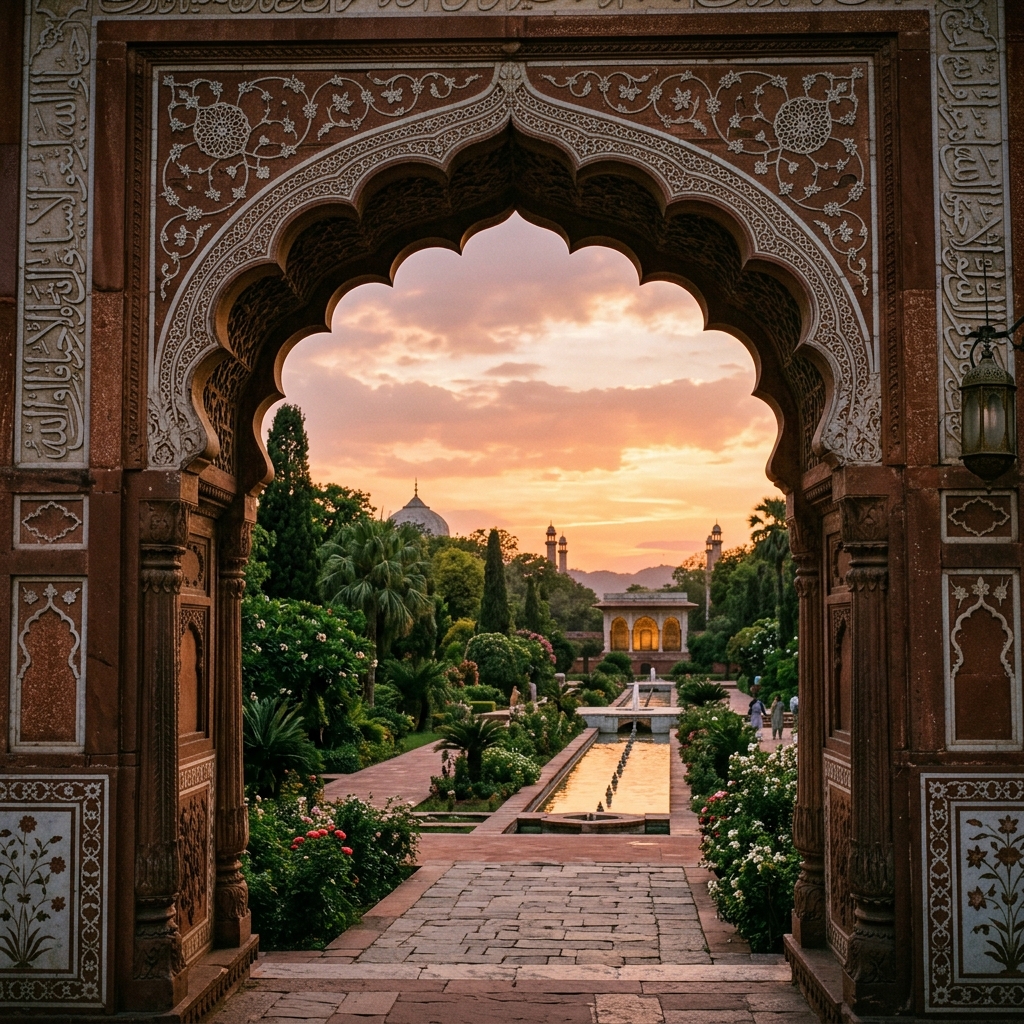
Quick Overview
Urdu poetry, with its rich history and profound emotional depth, has gracefully transitioned into the modern era. Far from being a relic of the past, it thrives today through digital platforms, social media, and modern adaptations. This extensive article delves into the mesmerizing world of Urdu poetry, exploring its timeless appeal, the resurgence of Ghazals, the evolution of Modern Shayari, and its significant cultural impact in contemporary society. We will examine how this beautiful language, born from a confluence of cultures, continues to capture the hearts of millions across the globe. Whether you are a lifelong aficionado who understands the subtle nuances of Ghalib's verses, or a curious newcomer drawn by the rhythmic beauty of modern spoken word, prepare to be enchanted by the linguistic beauty and thematic richness that define Urdu poetic expressions today.
The Enduring Appeal of Urdu Poetry
The magic of Urdu poetry lies in its unparalleled ability to articulate the most complex of human emotions with profound simplicity and elegance. Originating centuries ago, it has been the voice of lovers, philosophers, revolutionaries, and everyday people seeking to make sense of the human condition. The language itself, a beautiful synthesis of Persian, Arabic, and local Indian dialects, possesses an inherent musicality. When crafted into poetry, it resonates deeply within the soul, evoking a spectrum of emotions ranging from intense melancholia to ecstatic joy. The enduring appeal of Urdu poetry is a testament to its intrinsic beauty and the universal truths it explores.
In modern times, this appeal has not diminished in the slightest. Instead, it has found new avenues for expression and new audiences to captivate. The themes of love, longing, societal critique, divine connection, and existential musings remain as relevant today as they were in the courts of Mughal emperors. People continue to turn to Urdu poetry to find words for their silent thoughts and unexpressed feelings. The universality of its themes ensures that it transcends generational, cultural, and geographical boundaries, striking a chord with anyone who has ever loved, lost, or pondered the deeper meaning of life.
Moreover, the structure of Urdu poetry, particularly classical forms like the Ghazal, Nazm, and Rubai, offers a structured yet incredibly flexible canvas for poets. The delicate balance of 'radif' (refrain) and 'qaafiya' (rhyme) creates a rhythmic flow that is both soothing to the ear and impactful to the mind. This structural beauty, combined with profound semantic depth, is a key reason why Urdu poetry continues to captivate audiences, drawing them into a world where every single word is carefully chosen to evoke a highly specific emotional response. The aesthetic pleasure derived from listening to or reading well-crafted Urdu poetry is an experience that remains unmatched in the literary world.
Modern Shayari in the Digital Age
The advent of the internet and social media has revolutionized how we consume, share, and interact with literature, and Modern Shayari has thrived remarkably in this dynamic digital landscape. Platforms like Instagram, Twitter, Facebook, and YouTube have essentially become virtual 'mehfils' (gatherings) where poets and poetry enthusiasts from all corners of the globe converge. Bite-sized couplets ('sher') are perfectly suited for the fast-paced scrolling culture of today's youth, offering moments of profound reflection, emotional connection, and aesthetic pleasure in a matter of seconds.
Modern Shayari often seamlessly blends traditional themes with contemporary issues. Poets today are not just writing about the pain of unrequited love or the beauty of the beloved; they are also fearlessly addressing mental health struggles, political turmoil, identity crises, feminism, and the complex nuances of modern relationships in a hyper-connected yet isolating world. This thematic evolution ensures that the art form remains vibrant, relevant, and urgently necessary. It speaks directly to the lived experiences of the younger generation, effectively bridging the gap between a classical, centuries-old heritage and hyper-modern sensibilities.
Furthermore, digital platforms have democratized the art of poetry like never before. One no longer needs to be a traditionally published author, a literary scholar, or part of an exclusive elite literary circle to share their work with the world. Emerging poets from diverse socio-economic backgrounds and geographical locations can reach a global audience instantly. This unprecedented accessibility has led to an explosion of creativity and a rich diversity of voices in the realm of Modern Shayari, ensuring its continuous growth, dynamic evolution, and enduring presence in our daily digital lives.
Ghazals: A Timeless Expression of Love
When discussing the rich tapestry of Urdu poetry, one simply cannot overlook the Ghazal. This poetic form is perhaps the most celebrated, widely recognized, and deeply cherished, known for its intricate structure, strict metrical requirements, and intense emotional resonance. A Ghazal consists of rhyming couplets, each standing entirely alone as an independent poem with its own complete thought, yet bound seamlessly together by a strict meter and a shared rhyming scheme. This unique structure allows for a multifaceted exploration of disparate themes within a single poem, most notably the agony, ecstasy, and spiritual dimensions of love.
In the modern era, Ghazals continue to be a powerful and ubiquitous medium of expression. They are not only read in quiet solitude but also sung in grand auditoriums, with Ghazal maestros like Mehdi Hassan, Jagjit Singh, and Ghulam Ali having brought the written word to life through soul-stirring melodies in recent decades. The ongoing fusion of traditional Ghazals with modern musical instrumentation—incorporating guitars, synthesizers, and contemporary beats—has introduced this classical art form to an even wider, younger audience. It is common today to find contemporary indie music tracks and mainstream film songs incorporating classic Ghazal elements, clearly demonstrating its remarkable versatility and enduring popularity.
The true beauty of a Ghazal lies in its deliberate ambiguity, symbolic richness, and layered meanings. A single couplet can be interpreted in a myriad of ways—as an urgent plea to a divine entity, a mournful lament for a lost earthly lover, or a sharp, subversive commentary on societal injustices. This profound depth makes Ghazals endlessly fascinating and endlessly debatable. They actively invite the reader or listener to project their own unique life experiences, sorrows, and joys onto the verses, making the poetry a deeply personal, interactive, and profoundly impactful emotional experience.
The Cultural Impact of Urdu Poetry
The cultural impact of Urdu poetry extends far beyond the confines of the literary world or academic circles. It is intricately woven into the very fabric of South Asian culture, deeply influencing cinema, music, everyday language, and even political discourse. Bollywood, the massive Indian film industry, for instance, has long relied heavily on Urdu lyricists to give authentic voice to the romantic, tragic, and dramatic narratives of its films. The lyrical beauty, emotional weight, and dramatic flair of Urdu elevate the emotional quotient of these cinematic stories, making them memorable, hummable, and deeply affecting for millions of moviegoers.
Moreover, Urdu poetry serves as a vital, living link to the past, preserving the history, ethos, and linguistic heritage of the Indian subcontinent. It acts as a vast repository of cultural memories, documenting the sociopolitical shifts, the anti-colonial struggles, and the collective psyche of the people over centuries. By engaging with Urdu poetry, modern readers are not merely reading words on a page; they are actively connecting with their ancestral roots and participating in a continuous, vibrant cultural dialogue that has survived wars, partitions, and the relentless march of time.
In contemporary society, Urdu poetry also acts as a powerful unifying force. In a world often fractured by religious, national, and political divides, the shared love for this beautiful language and its literary traditions brings disparate people together. Poetry festivals (Jashn-e-Rekhta, for example), local mushairas, and informal literary gatherings attract incredibly diverse crowds, fostering a deep sense of community, mutual respect, and shared appreciation. The cultural impact of Urdu poetry is thus profound and multifaceted, serving both as a sturdy anchor to rich traditions and a hopeful bridge to a more connected, empathetic, and culturally harmonious future.
The Masters and the New Voices of Modern Times
To truly appreciate the magic of Urdu poetry, one must respectfully acknowledge the literary stalwarts who laid its indestructible foundation. Legends like Mirza Ghalib, Allama Iqbal, Faiz Ahmed Faiz, and Mir Taqi Mir have left an indelible, eternal mark on the literary landscape. Their works are universally considered the gold standard of Urdu poetry, celebrated for their immense philosophical depth, unmatched linguistic mastery, and raw emotional intensity. Studying their poetry is absolutely essential for anyone seeking to understand the true soul and potential of the language.
However, the vibrant story of Urdu poetry certainly does not end with the classical masters. The modern era has witnessed the meteoric rise of phenomenal poets who are bravely carrying the legacy forward while forging their own distinct paths. Voices like Parveen Shakir, Ahmad Faraz, Nida Fazli, and the deeply unconventional Jaun Elia have added entirely new dimensions to the art form. Their poetry often reflects a distinctly modern angst, dealing openly with themes of urban alienation, existentialism, political disillusionment, and the complex, often messy realities of the modern human condition.
Today, a dynamic new generation of poets is emerging, utilizing both traditional print media and innovative digital platforms to share their art. These young, fearless voices are unapologetic in their experimentation, constantly pushing the boundaries of traditional forms, language, and subject matter while maintaining a deep, fundamental respect for the core essence of Urdu poetry. They are the passionate torchbearers of this rich tradition, actively ensuring that the magic of Urdu poetry continues to evolve, challenge, and resonate deeply with future generations.
Understanding the Nuances: Metaphors and Symbolism
A highly significant aspect of the magic of Urdu poetry lies in its extensive, sophisticated use of metaphors and symbolism. The language is incredibly rich and nuanced, allowing skilled poets to convey highly complex philosophical or emotional ideas through evocative, carefully chosen imagery. Traditional words like 'shama' (candle) and 'parwana' (moth), 'bulbul' (nightingale) and 'gul' (rose), or 'saqi' (wine-pourer) and 'maikhana' (tavern) are rarely merely literal objects; they are powerful, deeply entrenched symbols representing the lover and the beloved, the spiritual seeker and the divine, the ephemeral nature of earthly life, and the enduring, transformative power of divine love.
In modern times, while these traditional symbols remain prevalent and powerful, new, contemporary metaphors are constantly being introduced to accurately reflect modern realities. This dynamic, evolving use of language requires the reader to engage actively and intellectually with the text, deciphering the hidden meanings and appreciating the poet's skill in crafting layered, multi-dimensional verses. The true pleasure of reading Urdu poetry often lies in this active intellectual and emotional engagement—the sudden, delightful realization of a profound universal truth hidden within an ostensibly simple, deceptively light couplet.
Furthermore, the longstanding tradition of 'takhallus' (the poet's pen name) adds yet another fascinating layer of intrigue. Poets often cleverly weave their pen names into the final couplet (the maqta) of a Ghazal, making a direct personal statement, offering a self-critique, or directly addressing themselves. This creates an incredibly intimate, almost conversational connection between the poet and the reader, making one feel as if they are privy to the poet's most private thoughts, vulnerabilities, and reflections.
The Therapeutic Power of Verse
In today's hyper-fast-paced, demanding, and often highly stressful world, Urdu poetry offers a much-needed sanctuary for the weary mind and soul. The therapeutic, healing power of verse is well-documented across cultures, and Urdu poetry, with its exceptionally deep emotional resonance and musicality, is particularly effective in providing solace, comfort, and perspective. The beautiful articulation of shared human experiences—the depths of grief, the heights of joy, the ache of longing, and the resilience of hope—helps individuals feel significantly less isolated and misunderstood in their personal struggles.
Reading, reciting, or simply listening to beautifully rendered Urdu poetry can be a deeply meditative, grounding experience. The rhythmic meter and the natural melodic flow of the words have a physiologically calming effect, allowing the anxious mind to slow down, breathe, and reflect. For many devoted readers, Urdu poetry serves as a powerful form of emotional release and validation. When one finally discovers a couplet that perfectly, flawlessly captures their own unspoken pain or joy, it is a profoundly validating and cathartic experience. It is this intense emotional catharsis that continuously draws so many to the world of Urdu poetry, making it a reliable source of strength, comfort, and emotional resilience in chaotic modern times.
Moreover, the profound philosophical insights deeply embedded in the poetry offer incredibly valuable perspectives on life's inevitable challenges. The graceful acceptance of suffering as an integral, unavoidable part of love and life, the constant emphasis on nurturing inner beauty and character over superficial outward appearances, and the joyous celebration of the indomitable human spirit are recurring themes that provide immense comfort and moral guidance. In this deeply significant way, Urdu poetry is far more than just a literary art form; it is a wise, empathetic companion for life's unpredictable journey.
Preserving and Promoting the Legacy
While Urdu poetry continues to thrive and adapt, it is absolutely crucial that we make conscious, concerted efforts to preserve and actively promote this incredibly rich cultural legacy. The unfortunate decline in formal education and literacy in the Urdu script in many parts of the world poses a genuine challenge to its long-term preservation. However, dedicated initiatives to translate Urdu poetry into English, Hindi, and other global languages have played an absolutely vital role in keeping the art form accessible and alive for a much wider, diverse global audience who may not read the original script.
Educational institutions, cultural organizations, governmental bodies, and modern digital platforms must work collaboratively to ensure that the exquisite beauty and historical significance of Urdu poetry are not lost to time or neglect. Organizing workshops, offering accessible online courses, hosting grand literary festivals dedicated to Urdu literature, and supporting the publication of new voices are essential steps in nurturing the next generation of poets, scholars, and enthusiastic readers. By actively celebrating and investing in this heritage, we ensure that the magic of Urdu poetry continues to endlessly enrich our individual lives and our collective global cultural tapestry.
As we look confidently to the future, the prospects for Urdu poetry are undeniably bright and full of potential. The innovative fusion of classical traditional forms with urgent modern themes and accessible digital mediums has successfully created a highly vibrant, dynamic, and inclusive literary ecosystem. The true magic of Urdu poetry lies in its remarkable resilience, its fluid ability to adapt to changing times, and its unwavering, centuries-old commitment to articulating the absolute deepest truths of the human heart. It is, without a doubt, a timeless, invaluable treasure that will continue to inspire, comfort, challenge, and enchant humanity for countless generations to come.
FAQ
- What is the main difference between a Ghazal and a Nazm?
A Ghazal is a specialized collection of independent, self-contained couplets (shers) that are bound together by a strict metrical framework and a consistent rhyming scheme, most often exploring nuanced themes of love, loss, and mysticism. A Nazm, on the other hand, is a cohesive poem written with a central, continuous theme or narrative that runs smoothly throughout the entire piece, allowing the poet significantly more structural freedom and narrative continuity. - Why is traditional Urdu poetry still considered relevant in modern times?
Urdu poetry remains deeply relevant because it masterfully addresses universal, timeless human emotions and core existential experiences that completely transcend any specific era or generation. Furthermore, modern poets have successfully adapted the traditional art form to directly address urgent contemporary societal issues, mental health, and modern relationships, making it highly relatable to today's audience, especially through accessible digital platforms. - Can someone truly appreciate Urdu poetry without knowing the language fluently?
Yes, absolutely! High-quality, emotive translations and accurate transliterations are now widely available online and in print. Furthermore, the inherent musicality, rhythmic cadence, and passionate emotional delivery of spoken or sung Urdu poetry often effectively convey the underlying feeling and mood, allowing non-speakers to deeply appreciate its aesthetic beauty and emotional depth even without literal comprehension. - How exactly has social media impacted Modern Shayari?
Social media has radically democratized Modern Shayari, instantly making it accessible to a massive global audience regardless of geographical location. It has allowed emerging, previously unknown poets to bypass traditional gatekeepers and share their work instantly. This has fostered highly vibrant, interactive online communities of poetry enthusiasts and led to a massive cultural resurgence of interest in short-form poetry, relatable couplets, and spoken-word performances.